
Conditions We Treat
Sports Injuries, Sprains & Strains
Active kids and adults need care that supports healing, movement, and return to activity without ignoring the whole chain.
What We Are Looking At
Recovery is more than resting the sore spot
Active kids and adults need care that supports healing, movement, and return to activity without ignoring the whole chain.
Care starts with understanding the pattern: what makes it better, what makes it harder, and how the body is adapting. From there, we look at spinal motion, muscle tension, posture, daily habits, and nervous-system regulation.
The goal is not to force the body into change. It is to remove interference, support clearer communication, and help your family understand the next best step.
How We Help
How we support return to movement
Care is gentle, specific, and adapted to age, sensitivity, and what your body is ready for.
We compare your story with patterns such as Sprains, strains, or overload pain; Compensation after injury; and Weakness or hesitation returning to sport, then look for where the body needs clearer motion, less tension, or better regulation.
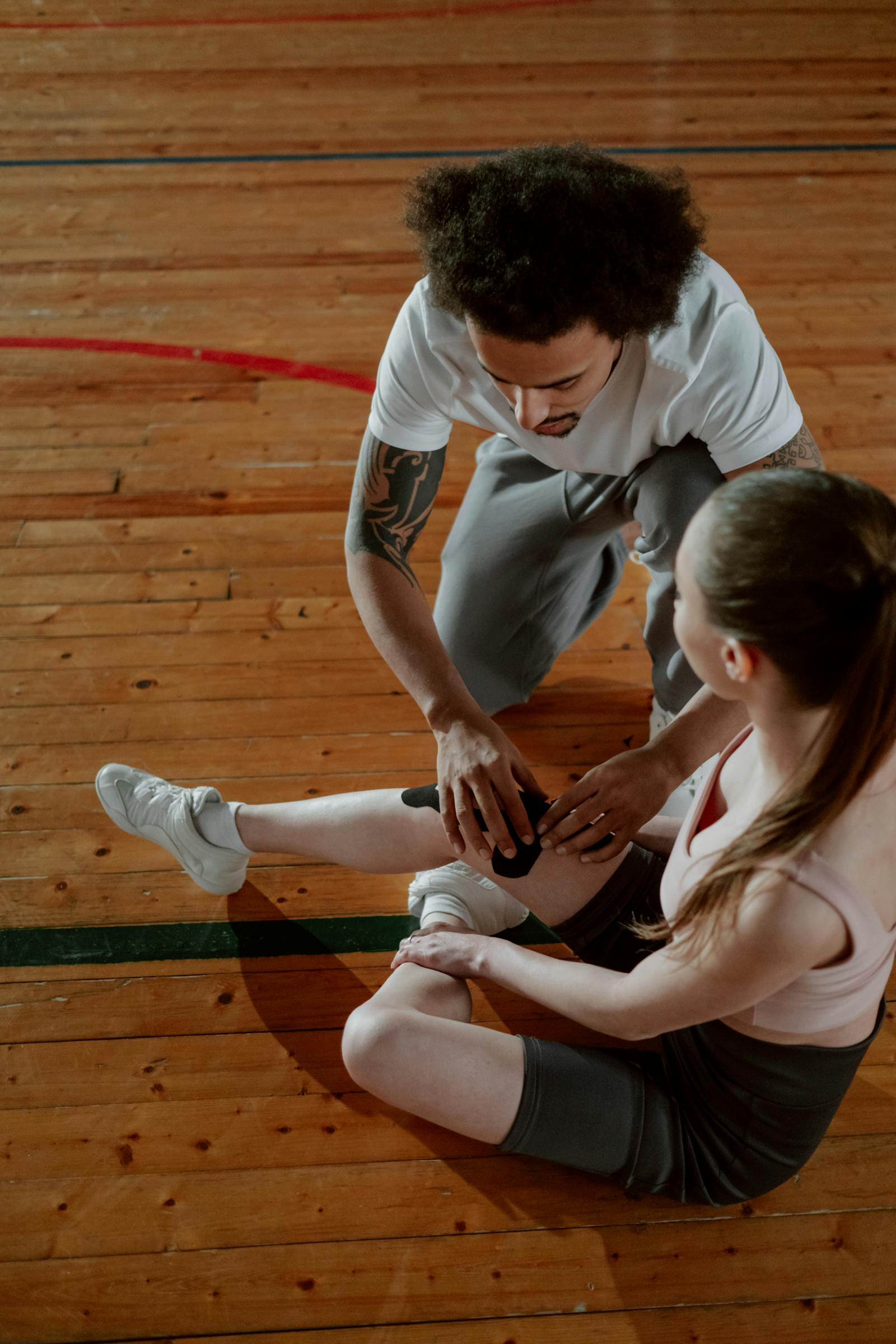
Visits focus on how to assess the injured area plus the joints and muscles around it while keeping care gentle, specific, and easy to understand.
Progress is measured through practical changes: more comfort, steadier movement, easier rest, and better confidence through the day.
- Assess the injured area plus the joints and muscles around it
- Restore motion and reduce compensation patterns
- Support recovery with gentle, progressive care
- Guide activity modifications while the body rebuilds confidence
Our Focus
“A stronger, more confident return to movement.”
What to Expect
Your care, step by step
Care here is unhurried, conservative, and explained as we go. Here's what your first weeks look like.
Listen carefully
We start by understanding how the symptoms behave, what daily life looks like, and what you have already tried so the plan reflects your reality.
Assess the full chain
We look at the spine, nearby joints, posture, movement habits, and the areas that may be feeding irritation further down the line.
Start gentle, specific care
Adjustments are conservative and tailored. Nothing is rushed, and we explain what we are doing before we do it.
Support progress at home
Simple guidance around posture, movement, and daily habits helps your body keep building on the changes between visits.
FAQs
Common questions about Sports Injuries, Sprains & Strains
Can chiropractic care help with sports injuries, sprains & strains?
Care here does not treat a label in isolation. For sports injuries, sprains & strains, we look at how spinal motion, muscle tension, posture, and nervous-system regulation may be contributing to the pattern, then use gentle care to support better function and comfort.
What do you look for with sports injuries, sprains & strains?
We start with the full story: when it shows up, what makes it harder, and what helps. We also look for patterns like Sprains, strains, or overload pain, Compensation after injury, Weakness or hesitation returning to sport, along with movement, tone, stress load, and how well the body recovers.
Is care for sports injuries, sprains & strains the same for everyone?
No. Care is adapted to age, sensitivity, health history, and what the body is ready for that day. The approach for a baby, an expecting mom, a child, and an adult will not look the same.
How quickly might sports injuries, sprains & strains change?
Every case is different. Some families notice changes in comfort, movement, sleep, or regulation quickly; others need more time and consistency. The first goal is usually to help the body respond with less stress and more ease.
What is the goal of care for sports injuries, sprains & strains?
The goal of care is simple: a stronger, more confident return to movement. If symptoms are severe, changing quickly, or need medical evaluation, we will encourage the right provider involvement and work alongside the broader care team when needed.
Take the Next Step
Recover the pattern, not just the painful spot.
If this pattern sounds familiar, we can help you understand what your body may be asking for and whether care here is a good fit.